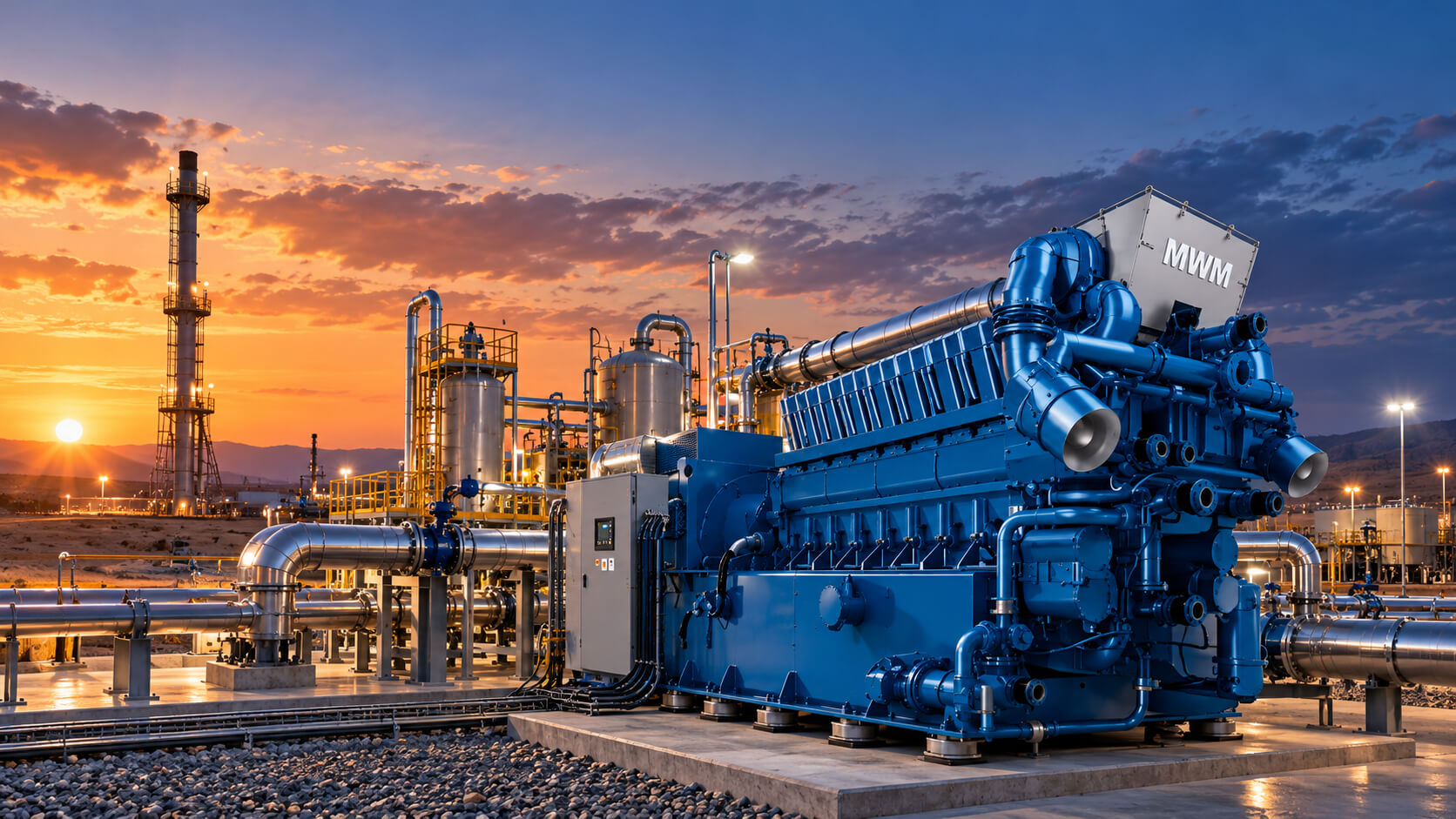
Upstream oil and gas extraction processes frequently release significant quantities of volatile hydrocarbons alongside crude production. Known as associated petroleum gas (APG), this resource has historically been treated as an inconvenient operational byproduct. In remote exploration fields lacking pipeline connections or processing facilities, operators traditionally burn this resource off through elevated stacks, a practice known as routine flaring.
Gas flaring wastes immense thermal energy while releasing substantial carbon dioxide, methane, volatile organic compounds (VOCs), and soot directly into the atmosphere. With tightening international environmental regulations, carbon taxes, and corporate decarbonization targets, industrial operators are pivoting from atmospheric burning toward flare gas recovery. Implementing a dedicated flare gas power generation infrastructure transforms this environmental liability into valuable flare gas electricity, providing on-site power for extraction infrastructure while eliminating wasted resources.
What Is Flare Gas and Why Does Routine Flaring Occur?
Flare gas consists predominantly of associated gas that emerges from underground geological formations mixed with extracted crude oil:
-
Extraction Dynamics: As pressurized crude oil is brought to the surface, the sudden drop in hydrostatic pressure causes dissolved light hydrocarbons to separate out in gas-oil separation plants (GOSPs).
-
Infrastructure Deficits: In offshore platforms or geographically isolated land basins, connecting local extraction wells to commercial natural gas pipelines requires high capital expenditure.
-
Safety Pressures: Historically, flaring served as an emergency safety valve to depressurize processing equipment during sudden operational upsets, compressor failures, or process line overpressures. Over decades, however, flaring expanded into a routine disposal mechanism for continuous gas volumes.
The Engineering Pathway: From Raw Wellhead Gas to Power
Transforming raw associated gas into fuel for a heavy-duty gas engine power plant requires systematic gas treatment to address the aggressive chemical properties of field gas.
1. Flare Gas Recovery and Compression
Rather than routing separated associated gas up the flare stack, a closed-loop Flare Gas Recovery System (FGRS) captures the gas stream from production separators. Liquid ring or screw compressors boost the low-pressure gas to the operational pressure required by downstream treatment units and reciprocating engines.
2. Fuel Gas Conditioning and Treatment
Raw associated gas cannot be injected directly into internal combustion engines due to impurities that can cause severe mechanical corrosion and pre-ignition:
-
Heavy Hydrocarbon Removal (NGL Stripping): Associated gas frequently contains elevated concentrations of heavy hydrocarbon fractions (ethane, propane, butane, and pentane), giving it a low methane number. Passing the gas through chilling units drops the gas below its hydrocarbon dew point, knocking out natural gas liquids (NGLs) to prevent engine knock.
-
Moisture Removal (Dehydration): Water vapor mixed with light hydrocarbons forms corrosive gas hydrates under pressure. Glycol contactors or desiccant dryers strip entrained moisture.
-
Acid Gas Sweetening: Associated gas often carries high concentrations of hydrogen sulfide and carbon dioxid. Passing the gas through biological desulfurization or amine scrubbers removes sulfur compounds, preventing severe acidic corrosion across engine valves, cylinder heads, and exhaust systems.
3. Power Generation via Gas Engines
Once conditioned and stabilized, the fuel is routed into heavy-duty reciprocating gas engines configured for variable-calorific-value fuels. The engines drive generators that produce baseline electricity to power on-site equipment, including electrical submersible pumps (ESPs), reinjection compressors, extraction camps, and water treatment systems.
Operational, Economic, and Environmental Benefits
Deploying waste gas to energy infrastructure delivers concrete advantages across extractive facilities:
-
Drastic Emission Reductions: Converting raw gas combustion from open-air flaring into controlled, high-efficiency engine combustion eliminates fugitive methane releases and drastically cuts local soot and unburned hydrocarbons.
-
Displacing Costly Diesel Fuel: Remote oilfields frequently consume thousands of liters of liquid diesel daily to run on-site generator sets. Utilizing recovered field gas eliminates diesel tanker logistics, slashing operating expenditures.
-
On-Site Power Independence: Generated electricity satisfies the growing electrical baseload of aging oil reservoirs, such as secondary recovery waterflooding and artificial lift systems, without relying on regional utility connections.
-
Monetizing Flare Reductions: Capturing wasted gas aligns with World Bank Zero Routine Flaring initiatives and qualifies operators for carbon offsets and international environmental compliance.
Deploying Flare Gas Power Plants with İltekno
Successfully executing a flare gas utilization project requires deep engineering capabilities in gas compression, multi-stage fuel treatment, and gas engine thermodynamics.
İltekno delivers flare gas power plants engineered specifically for challenging upstream oil and gas operating conditions. Utilizing robust MWM gas engine technology with high knock tolerance and flexible air-fuel ratio automation, İltekno designs modular, skid-mounted generation systems that accommodate fluctuating field gas compositions. From initial gas chromatography and compression design to EPC commissioning and ongoing plant maintenance, İltekno enables energy producers to mitigate environmental liabilities and convert wasted gas into dependable on-site power.