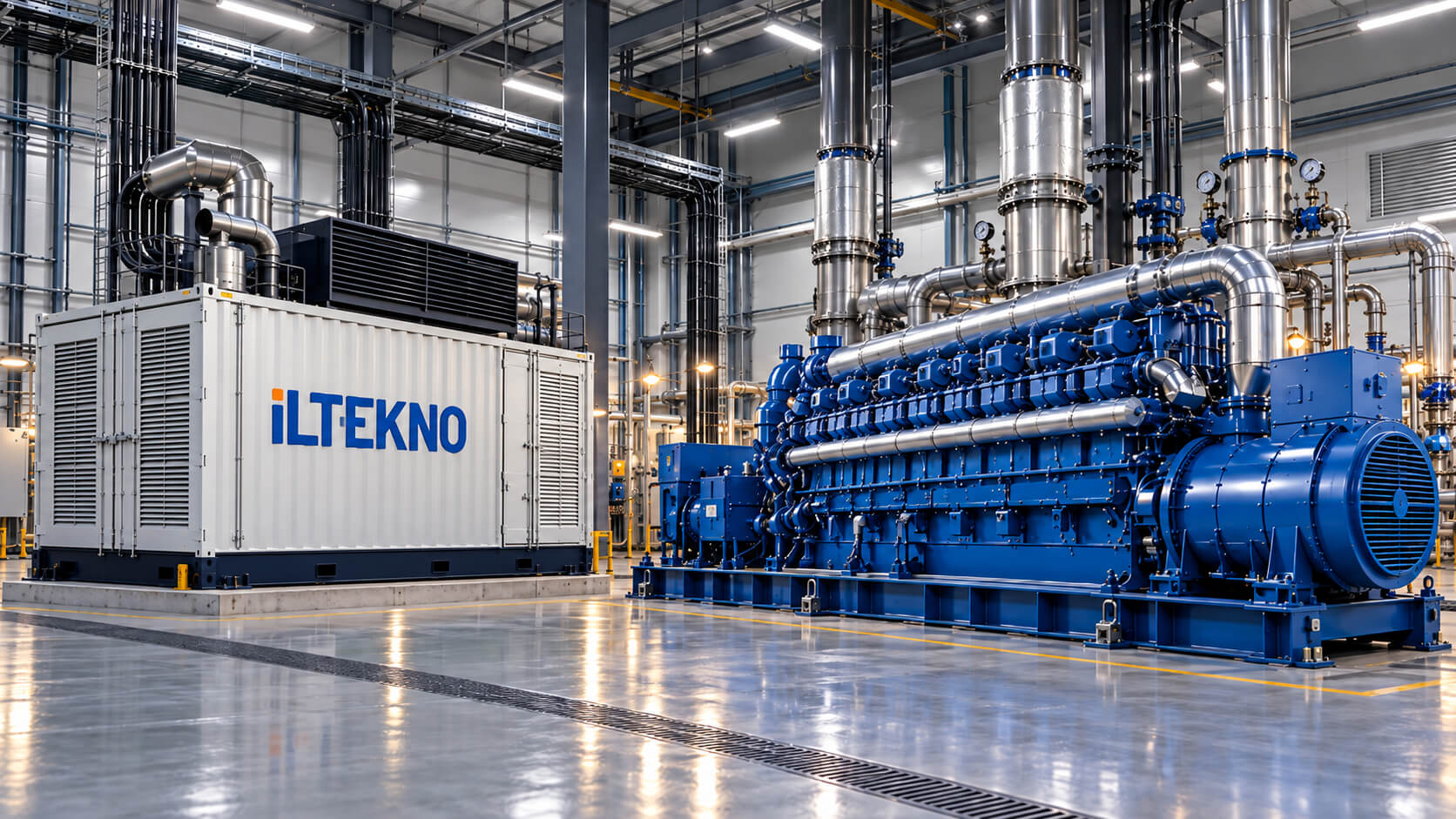
Selecting the primary or backup generation technology for an industrial facility is a capital-intensive decision that shapes operational expenditure, energy security, and environmental compliance for decades. When engineering on-site power generation systems, facility directors and plant engineers inevitably evaluate two mature thermal options: the natural gas generator and the diesel generator.
While both rely on reciprocating internal combustion engines to produce reliable electrical output, their underlying operational dynamics, thermodynamic efficiency profiles, fuel supply chains, and environmental footprints diverge dramatically. Rather than asking which technology is universally superior, industrial operators must evaluate gas generator vs diesel architecture against their facility's specific operational profile: intermittent emergency standby versus continuous baseload generation.
Core Differences: Natural Gas vs. Diesel Generation
To understand where each technology excels, it is essential to analyze the primary engineering and operational parameters governing industrial generator performance.
1. Fuel Supply Chain and On-Site Storage
-
Diesel Generator: Operates on liquid fuel stored in dedicated on-site bulk tanks. This provides total physical independence from external municipal supply pipelines. However, storing large quantities of diesel introduces environmental risks, requires spill-containment infrastructure, and demands strict fuel polishing protocols to prevent fuel degradation and microbial contamination during long storage periods.
-
Natural Gas Generator: Connects directly to the municipal or industrial gas pipeline network, ensuring an uninterrupted fuel supply without the need for fuel deliveries by road or costly storage tanks. The limitation is supplying reliance: if pipeline delivery is interrupted or local gas pressure fluctuates, generation ceases unless dual-fuel or backup gas systems are in place.
2. Capital Expenditure (CAPEX) vs. Operational Expenditure (OPEX)
-
Initial Investment (CAPEX): Diesel generators have a lower initial capital expenditure per kilowatt. The systems are standardized, widely produced, and do not require specialized gas pressure-reduction stations or pipeline hookups. Natural gas generator systems carry a higher upfront capital cost due to specialized air-fuel mixing infrastructure, ignition systems, and gas train integration.
-
Operating Costs (OPEX): Natural gas engines deliver a clear economic advantage in long-term operation. Natural gas is historically more cost-effective per unit of energy output than liquid diesel fuel. In continuous running applications, the fuel savings generated by a natural gas engine rapidly offset the initial CAPEX premium.
3. Electrical Efficiency and Thermal Recovery
Heavy-duty gas engine generator systems designed for baseload operation offer electrical efficiencies exceeding 44 to 48 percent. Furthermore, natural gas combustion yields clean exhaust profiles ideal for combined heat and power (CHP) integration, elevating total plant efficiency from 85 to 90 percent. Diesel systems achieve robust mechanical efficiencies but are primarily optimized for rapid load response rather than high-efficiency continuous thermal capture.
4. Maintenance Intervals and Engine Longevity
Natural gas is a clean-burning fuel that leaves minimal soot, carbon buildup, or unburned particulates on internal engine components. As a result, spark-ignited natural gas engines benefit from extended lube oil life, lower cylinder liner wear, and prolonged intervals between top-end overhauls. Diesel engines experience particulate accumulation in engine oil and exhaust assemblies, requiring frequent oil, filter, and injector maintenance intervals under high-hour usage.
5. Emissions Profile and Permitting
Environmental compliance is increasingly dictating technology selection. Natural gas generators emit significantly lower levels of nitrogen oxides (NOX), virtually zero particulate matter, and approximately 25 to 30 percent less carbon dioxide (CO2) per kilowatt-hour than comparable diesel units. Permitting a continuous-running natural gas plant in environmentally regulated or urban industrial zones is far more feasible than permitting continuous diesel combustion.
Key Operational Metrics Compared
Directly evaluating the operational metrics of these systems clarifies their distinct engineering roles:
-
Primary Duty Cycle: Natural gas units are built for continuous baseload power, prime generation, and combined heat and power setups. Diesel units serve primarily as emergency standby resources and peaking assets.
-
Fuel Storage Requirements: Natural gas uses an automated, continuous utility pipeline without onsite storage footprints. Diesels require physical storage tanks, regular fuel testing, and preventive biocide treatments.
-
Starting and Response Speed: Diesel generators achieve full block load acceptance in under 10 seconds. Heavy-duty natural gas engines take between 15 and 45 seconds to reach synchronized full output.
-
Thermal Utilization: Natural gas systems cleanly convert engine jacket and exhaust heat into process steam, hot water, or chilled water via absorption chillers. Diesel generators offer limited thermal recovery, generally restricted to high-temperature exhaust capture.
-
Emissions Impact: Natural gas produces negligible soot and substantially lower nitrogen oxides and carbon emissions. Diesel combustion generates heavy particulates, requiring exhaust aftertreatment systems like diesel particulate filters (DPFs) and selective catalytic reduction (SCR) units.
Operating Profiles: Standby vs. Continuous Industrial Power
The decision between natural gas and diesel rests entirely on the planned operating hours and duty cycle of the asset.
When Diesel Is the Industry Standard: Emergency Standby
For mission-critical facilities like data centers, hospitals, and emergency drainage stations where power failure can cause immediate loss of life or catastrophic data corruption, the diesel generator remains an indispensable asset. Diesel engines can start, synchronize, and accept 100 percent block load in under 10 seconds, even during a total utility blackout where underground municipal gas lines might experience pressure drop or safety shutoffs. For facilities running fewer than 100 to 200 hours per year purely as a safety net, diesel's low CAPEX makes it the logical choice.
When Natural Gas Is the Superior Solution: Continuous Baseload and Prime Power
For manufacturing plants running 4,000 to 8,000+ operating hours annually—such as textiles, chemical processing, paper mills, and food production—a natural gas generator is the definitive economic and operational choice. In baseload generation, fuel costs account for 70 to 80 percent of the plant's lifetime lifecycle cost. Natural gas significantly undercuts diesel in fuel expenditure, runs cleaner, eliminates tanker traffic on site, and allows the facility to capture waste heat for process steam or chilled water.
Engineering Industrial Power Plants with İltekno
Selecting and deploying the ideal power infrastructure requires an engineering partner with multi-fuel EPC experience.
İltekno engineers turnkey power solutions tailored to complex industrial duty cycles. For facilities requiring high-availability emergency backup, İltekno designs robust diesel power plants engineered for instantaneous black-start resilience. For heavy manufacturing operations demanding cost-effective, high-efficiency baseload energy, İltekno provides advanced natural gas power plants utilizing world-class MWM gas engine technology. By conducting rigorous site feasibility, fuel supply modeling, and grid synchronization engineering, İltekno ensures your power asset delivers maximum reliability, strict emissions compliance, and optimized return on investment.